Christmas Costumes Illustrations for Branding and Marketing
As a brand designer and content marketer, I recently came across the Christmas Costumes illustration set, and it immediately caught my attention. These illustrations are not just festive—they’re versatile, emotionally engaging, and well-suited for a variety of marketing applications. In this review, I’ll explore how these Christmas Costumes illustrations can elevate your brand visuals, support seasonal campaigns, and create a cohesive visual identity that resonates with your audience.
First Impressions: Festive Mood and Emotional Tone
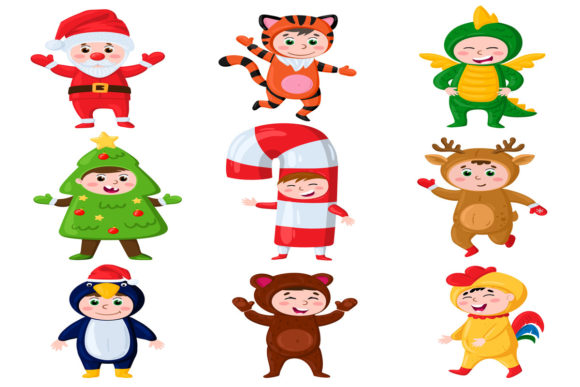
The first thing I noticed about Christmas Costumes is how they instantly convey a sense of joy, nostalgia, and holiday cheer. The illustrations have a playful yet professional feel, making them ideal for brands that want to connect with their audience on an emotional level. Whether you're promoting a seasonal sale or launching a new product, these illustrations bring warmth and personality to your campaign.
The style is clean and stylized, which means it works well for both casual branding and premium visuals. It feels particularly suited for handmade products, lifestyle content, and event promotions. However, if your brand leans toward minimalism, you may need to test it against your existing color palette to ensure it doesn’t clash.
Real-World Application in Marketing Campaigns
Let’s imagine a small business launching a new line of holiday-themed merchandise. They need social media graphics, email banners, and packaging designs that stand out but still align with their brand identity. Here’s where Christmas Costumes comes into play.
These illustrations can be used in various ways:
- Social Media Graphics: Use them as background elements for Instagram posts or Pinterest pins to add a festive touch without overwhelming the content.
- Email Banners: Incorporate them into promotional emails to grab attention and reinforce the holiday theme.
- Packaging Design: Add subtle accents to product boxes or labels to enhance the unboxing experience and make your brand feel more personal.
- Digital Ads: Pair them with clear calls-to-action to create eye-catching Facebook or Google ads that stand out in a crowded feed.
They also work well as part of a design bundle, allowing content creators and digital sellers to build complete kits for clients or customers looking for ready-to-use assets.
Supporting Marketing Goals with Visual Consistency
One of the biggest challenges in branding is maintaining visual consistency across all platforms. Christmas Costumes illustrations help achieve this by providing a recognizable and repeatable visual element that ties your content together.
When used correctly, these illustrations can improve audience trust by creating a strong first impression and reinforcing your brand's personality. They also contribute to visual hierarchy, ensuring that important messages like offers or promotions are highlighted effectively.
For example, using these illustrations in a Canva template or SVG design can streamline the creation of promotional materials, helping you maintain a consistent look across different formats.
Where Christmas Costumes Works Best
Here are some of the best use cases for Christmas Costumes:
- Hero Graphics: Use them as main visuals for landing pages or campaign headers to draw attention and set the tone.
- Product Launch Visuals: Incorporate them into product launch emails or social media stories to create excitement.
- Branded Templates: Include them in content bundles or digital product kits for clients who need quick access to festive visuals.
- Editorial Layouts: Use them as decorative elements in blog posts or magazines to break up text and add visual interest.
- Decorative Brand Elements: Add them to website headers or app interfaces to create a warm and inviting atmosphere.
Use with Caution: Limitations and Considerations
While Christmas Costumes is a great asset, there are situations where it might not be the best fit. For instance, it may not work well in formal corporate branding or text-heavy ads, where the illustration could distract from the message.
It’s also important to test how it performs on mobile screens. While the illustrations look great at full size, they may lose clarity when scaled down for smaller devices. Always preview them in real campaign mockups and check readability in small sizes.
Additionally, consider how they pair with different font styles, such as serif, sans-serif, script, or display fonts. Some combinations may work better than others, so it’s worth experimenting to find the right balance.
Brand Designer Notes: Practical Tips for Using Christmas Costumes
Before incorporating Christmas Costumes into your marketing strategy, here are a few tips to keep in mind:
- Test with Your Brand Palette: Ensure the colors in the illustration match or complement your brand colors.
- Check Black and White Usage: See how the illustration looks in grayscale—this helps assess its effectiveness in low-color environments.
- Preview on Mobile: Make sure the illustration scales well and remains legible on mobile devices.
- Confirm Commercial Licensing: Always verify that the asset has a commercial license before using it in paid campaigns or client work.
- Compare with Competitors: Check how similar illustrations are being used in your industry to ensure your brand stands out.
By following these steps, you can ensure that Christmas Costumes illustrations enhance your brand rather than detract from it.
Conclusion: A Strong Design Asset for Seasonal Campaigns
In summary, Christmas Costumes illustrations offer a lot of value for marketers, designers, and small business owners looking to boost their seasonal campaigns. Their versatility, emotional appeal, and ability to support visual consistency make them a valuable addition to any creative toolkit.
Whether you're building a content marketing strategy, refreshing your social media graphics, or designing printable promotions, these illustrations can help you create more engaging and memorable campaign visuals. Just remember to use them thoughtfully and always test them within the context of your brand identity.