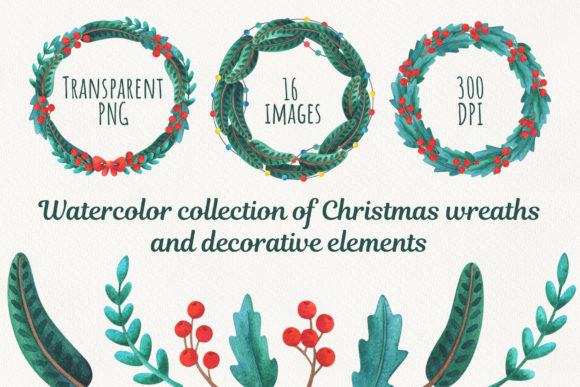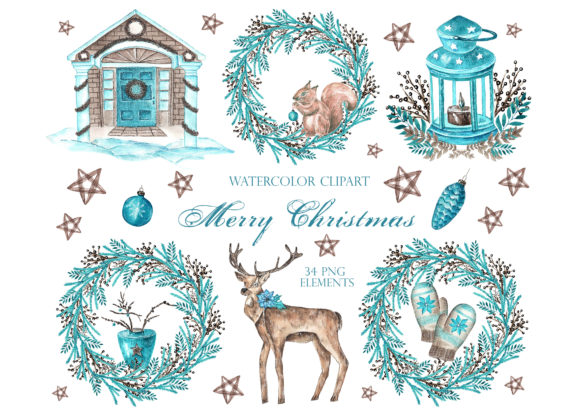
Christmas Floral Clipart, Vacation, Deer for Illustrations
In the fast-paced world of digital publishing, a single graphic can determine whether a reader clicks or scrolls past. As a blog designer who has managed content for years, I know that visual hierarchy is not just about aesthetics; it is about trust and clarity. When I first encountered Christmas Floral Clipart, Vacation, Deer, I immediately thought about how this Illustrations set could transform a seasonal content strategy. It is not merely a collection of images but a strategic graphic design asset capable of elevating editorial quality and reinforcing brand identity across multiple platforms.
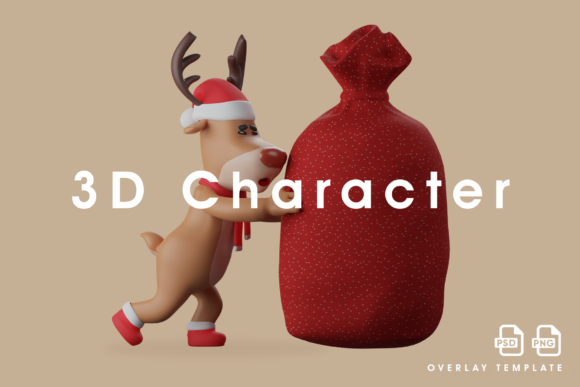
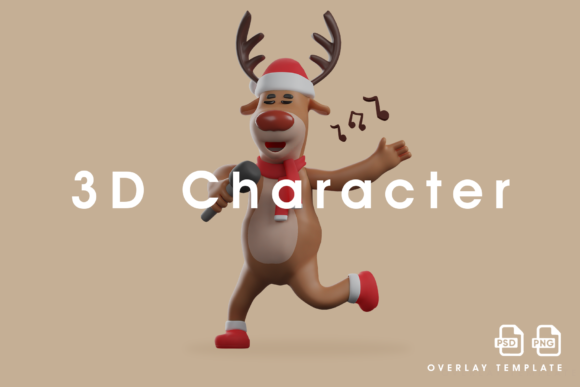
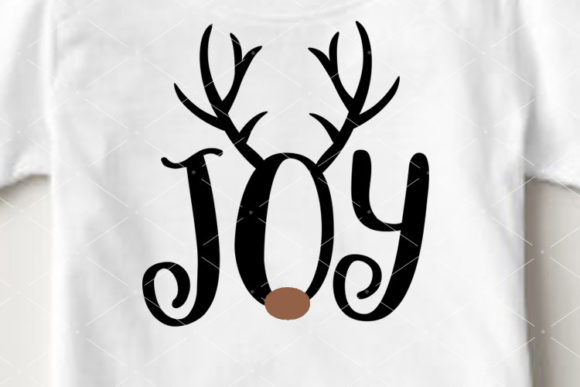
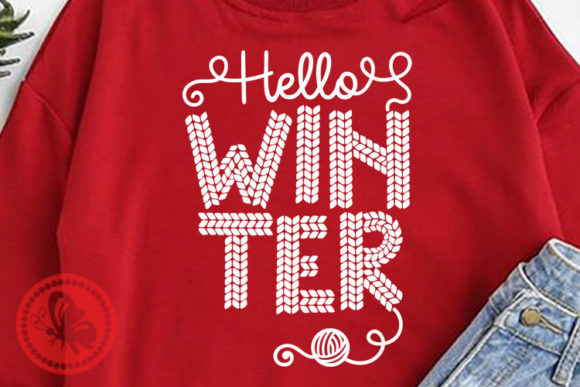
The first impression this design makes is one of cozy, festive warmth mixed with a touch of wanderlust. The combination of floral elements and a deer motif creates a mood that is both grounded in nature and celebratory. For a publisher, this translates to an immediate emotional connection with the audience. It feels lifestyle-focused, artistic, and inviting, making it perfect for niches like travel blogs, family-oriented websites, wellness journals, or home decor sites. Unlike generic holiday clipart that often feels mass-produced, this asset carries a modern design sensibility that suggests a curated, high-quality experience. It signals to the reader that the content behind the image is polished, thoughtful, and worth their time.
Integrating Visuals into Real Publishing Workflows
I recently tested this asset within a live publishing workflow for a holiday-themed affiliate campaign. The versatility of Christmas Floral Clipart, Vacation, Deer was evident from the start. In my experience, successful content marketing relies on consistency, and having a cohesive set of design assets ensures that every touchpoint reinforces the same message. Here is how I integrated these visuals into a comprehensive content plan:
- Featured Images and Article Headers: These graphics serve as the face of the post. Using them as featured images creates a strong first impression, drawing the eye immediately to the story. They work exceptionally well as website headers, setting a welcoming tone before the user even reads the headline.
- Pinterest Pins and Social Media Graphics: On platforms like Pinterest, where visual appeal dictates click-through rates, this asset shines. The composition allows for clear text overlay, ensuring that headlines pop while the background remains decorative rather than distracting. This balance is crucial for creating engaging social media posts that drive traffic back to the main site.
- Digital Guides and Lead Magnets: When designing downloadable resources like worksheets, eBooks, or digital guides, the cover art is paramount. I used this Illustrations set to create a professional-looking cover for a holiday planning guide. The result was a perceived increase in value, encouraging more users to opt-in as a lead magnet.
- Newsletter Banners and Email Headers: Email open rates are heavily influenced by the subject line and the preview image. A custom banner featuring these graphics adds a personal, human touch to automated emails, making the communication feel less corporate and more like a friendly note from a trusted creator.
Elevating Brand Identity and Reader Trust
One of the most significant benefits of using a dedicated commercial design asset like this is the boost it provides to brand identity. When a website looks consistent, readers subconsciously perceive the content as more authoritative. By applying Christmas Floral Clipart, Vacation, Deer across category thumbnails, media kits, and ad creatives, we establish a recognizable visual language. This consistency improves category recognition, helping visitors quickly identify the type of content they are interested in.
Furthermore, the editorial quality of these graphics supports reader trust. In an era of low-quality stock photos, a unique, well-composed image stands out. It suggests that the publisher cares about details, which extends to the quality of the written content. Whether you are an online educator creating course materials or an affiliate marketer promoting seasonal products, these visuals add a layer of professionalism that can directly influence conversion rates. They turn a standard blog post into a premium digital product experience.
Strategic Placement for Maximum Impact
While the potential of this asset is vast, knowing where to place it is key to maintaining a clean, effective layout. Based on my testing, here is where these graphics perform best:
- Hero Images: Use them at the top of landing pages or article intros to capture attention immediately.
- Editorial Accents: Break up long-form text with small icons or borders derived from the set to keep the reader engaged.
- Downloadable Resources: Create attractive covers for printables and worksheets to increase download numbers.
- Social Media Previews: Ensure your links look stunning when shared on Facebook, LinkedIn, or Twitter.
However, there are scenarios where caution is required. If you are writing for a serious professional niche, such as corporate finance or legal advice, a whimsical deer and floral theme might clash with the desired tone of authority. Similarly, on mobile devices with small screens, complex floral details can become muddy. Always test your blog graphics as small thumbnails to ensure the key elements remain visible. Avoid using these assets on busy layouts with heavy text overlays, as the visual noise can reduce readability and hurt your SEO performance through poor user engagement metrics.
Practical Publisher Notes for Implementation
To get the most out of this digital download, I recommend following a strict technical review process. First, test the asset on both desktop and mobile screens. A graphic that looks stunning on a large monitor might lose its impact on a smartphone if the contrast is too low or the colors are too subtle. Check how the image looks inside a real blog layout, specifically alongside your chosen typography.
Typography pairing is critical for web design. I suggest placing this asset beside serif fonts for a classic, editorial look, or sans-serif fonts for a modern, clean aesthetic. You can also experiment with script or handwritten fonts to enhance the personal, crafty vibe of the deer and flowers. However, avoid display fonts that compete with the intricate details of the illustration. Additionally, always check the file size. Large images can slow down page load times, which negatively affects search engine rankings. Compress images properly without sacrificing quality to ensure a smooth user experience.
Finally, never overlook the legalities. Before using these graphics on monetized websites, affiliate pages, or paid content products, confirm that you have the correct commercial license. Most creative marketplaces offer different tiers of licensing, and understanding the terms protects your business from potential legal issues. Whether you are building a Canva template library or launching a new digital product, ensuring you have the right permissions is the final step in a professional workflow.
In conclusion, Christmas Floral Clipart, Vacation, Deer is more than just a pretty picture; it is a powerful tool for content creators looking to refine their visual communication. By integrating these Illustrations strategically, you can create a cohesive, trustworthy, and visually stunning online presence that resonates with your audience during the holiday season and beyond. For any blogger, publisher, or digital entrepreneur, this asset represents a smart investment in the overall quality and performance of their content marketing efforts.