Dancing Christmas Skeleton Embroidery Design Review
A First Look at Dancing Christmas Skeleton
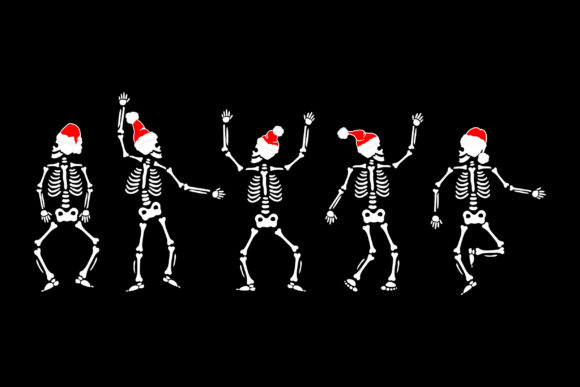
When I first saw Dancing Christmas Skeleton, it immediately caught my eye with its playful yet slightly spooky charm. The design feels like a perfect blend of holiday cheer and whimsical Halloween fun, making it a versatile choice for seasonal projects. The illustration is clean and well-proportioned, with just the right amount of detail to give it character without overwhelming the viewer.
The skeleton’s pose is lively, almost as if it's mid-dance, which adds a sense of motion and energy to the piece. This dynamic quality makes it ideal for projects that need a touch of personality and humor, especially around the holiday season. The overall mood is light-hearted, making it suitable for both children and adults alike.
How Dancing Christmas Skeleton Performs in Real Projects
As an experienced designer, I often test how well a machine embroidery design translates to different products. Dancing Christmas Skeleton has shown promise on several surfaces, including tote bags, sweatshirts, and even baby onesies. It works particularly well on lighter fabrics where the contrast between the design and the background is clear.
I tested it on a custom embroidered tote bag and found that the design stitched cleanly, with no distortion or misalignment. The use of fill stitches and satin stitch gave the skeleton a nice dimension, making it stand out against the fabric. For a more subtle look, I also tried it on a pillow cover, and the result was charming and eye-catching—perfect for a holiday gift.
This design could easily be used on a variety of items such as custom apparel, sweatshirts, tote bags, caps, patches, aprons, pillow covers, kitchen towels, and even nursery decor. Its versatility makes it a great option for Etsy sellers and craft business owners looking to add a festive touch to their product lines.
Where to Use Dancing Christmas Skeleton with Caution
While Dancing Christmas Skeleton is a strong design, there are some considerations when using it on certain materials. For instance, on small hoop sizes, the details might get lost or distorted. I recommend checking the hoop size before finalizing your project to ensure the design remains intact.
Textured fabrics or thin fabric can also affect the outcome. If you're planning to use this design on stretchy or dark-colored fabric, it's important to test it first. A good stabilizer will help maintain the shape and clarity of the embroidery, especially on curved surfaces like caps or hats.
Additionally, dense stitch areas and decorative accents may require careful planning to avoid overcrowding the design. Testing the embroidery file on scrap fabric is always a good idea to see how it looks before committing to a finished product.
Design Impact and Practical Insights
Dancing Christmas Skeleton adds a unique visual appeal to any handmade product or personalized gift. It helps elevate the perceived value of the item while maintaining a sense of fun and creativity. Customers are likely to appreciate the thoughtfulness behind the design, especially when it comes to holiday gifts or small shop merchandise.
For commercial embroidery or digital product previews, this design can be a great asset. It offers a consistent look across different items, helping to build brand consistency and customer trust. Whether you're creating printable mockups or designing design assets for resale, the Illustrations category makes this a solid choice.
One thing to keep in mind is that thread colors should be chosen carefully to complement the fabric and enhance the design. A high-contrast color palette will make the satin stitch and fill stitch pop, ensuring the Dancing Christmas Skeleton stands out on any garment or surface.
Embroidery Designer Notes
Before using Dancing Christmas Skeleton in a real project, here are a few practical tips:
- Test the design on scrap fabric to check for stitch density and clarity.
- Review thread color contrast to ensure visibility on different fabric backgrounds.
- Confirm hoop size to avoid distortion or incomplete stitching.
- Inspect small details for accuracy, especially in corners or intricate areas.
- Test in black and white mockups to evaluate how it looks on dark or light fabrics.
- Use proper stabilizer to prevent shifting or puckering, especially on stretchy or thin fabrics.
- Check licensing terms before selling finished items or digital products.
By following these steps, you’ll ensure that Dancing Christmas Skeleton performs well on your embroidery project and meets the expectations of your customers. Whether you're creating a personalized gift or a small shop product, this design brings a unique flair that can enhance your work and attract buyers.