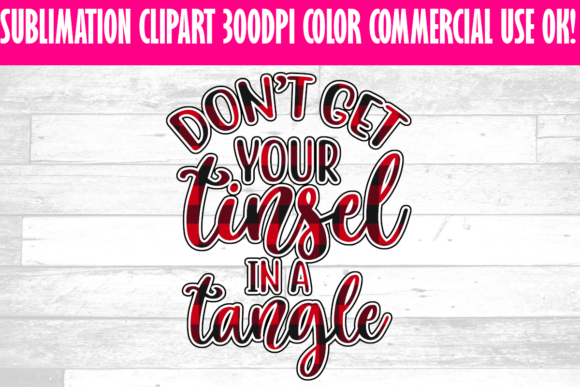
Tinsel in a Tangle Sublimation Christmas Review
When I first opened the folder for Tinsel in a Tangle Sublimation Christmas, my immediate reaction wasn't about stitch counts or file formats. It was about the mood. There is something inherently chaotic yet cozy about holiday tinsel, and this design captures that messy, festive energy perfectly. As an experienced designer who has reviewed countless files for client projects, I look for more than just a pretty image; I need to know if it will translate into a sturdy, high-quality machine embroidery design. After putting this piece through its paces in my studio, here is my honest take on how Tinsel in a Tangle Sublimation Christmas performs in the real world.
The First Impression: Mood and Visual Personality
This illustration falls squarely into the Illustrations category, but it feels much more like a dynamic scene than a static graphic. The layout is loose and organic, mimicking the way tinsel actually drapes over a tree or spills onto a mantel. For a small business owner or an Etsy seller, this visual personality is gold. It screams "handmade" without trying too hard. Unlike rigid geometric patterns that can feel cold, this design invites the viewer in with a sense of warmth and nostalgia.
The detail level strikes a delicate balance. It offers enough texture to make the finished product feel premium, yet it avoids becoming so dense that it risks distortion during stitching. When you are creating holiday embroidery for a boutique collection, you want pieces that stand out on a rack but still look professional up close. This design delivers that specific kind of charm that makes customers pause and reach for the item.
Real-World Application: From Screen to Stitch
I recently tested Tinsel in a Tangle Sublimation Christmas on a custom project for a local craft fair booth. The goal was to create a line of custom apparel and home goods that felt cohesive but unique. I started with a heavy-duty canvas tote bag. The design's flowing lines worked beautifully here, allowing the thread to follow the natural curves of the fabric without pulling or warping the material.
Next, I moved to a soft fleece sweatshirt. This is where the true test of any embroidery file begins. The fill stitches in the tinsel strands needed to lay flat against the nap of the fabric. Fortunately, the density in this design is well-calibrated. It didn't cause the fabric to pucker, which is a common issue with busy holiday designs. The result was a textured, tactile surface that caught the light exactly as intended. It felt substantial, not flimsy.
I also considered using this for baby items, like a christening gown or a onesie. While the design is whimsical, the lack of sharp, jagged edges makes it safe for sensitive skin. However, for a personalized gift meant for a toddler, I would advise pairing it with a simpler font for the name to keep the overall composition from looking too cluttered. The Tinsel in a Tangle Sublimation Christmas file works best when it is the star of the show, rather than competing with too many other elements.
Where to Use It (And Where to Think Twice)
While this design is versatile, it is not a magic bullet for every single project. As a designer, I always advocate for strategic placement based on the constraints of the garment or accessory. For instance, placing this on a curved surface like a baseball cap requires careful attention to the hoop size. If the design is too wide for the cap's curvature, the sides might bunch up, ruining the clean look of the satin stitch or fill stitch.
Similarly, thin fabrics like silk or lightweight polyester blends are risky. The stabilizer required to support the weight of the threads might be too stiff for the delicate nature of the material, leading to a mismatch between the fabric hand and the embroidery finish. I also found that dark fabrics require a specific thread color strategy. If the background is black, the lighter tinsel colors pop, but if the background is dark green or navy, you must ensure the thread contrast is high enough to maintain clarity.
Another area to approach with caution is small hoop sizes. If you are making tiny embroidered patches or decorative accents for a keychain, the intricate details of the tangle might get lost or become difficult to stitch cleanly. In these cases, a simplified version of the design would be better. For commercial embroidery projects involving frequent washing, such as aprons or kitchen towels, the durability of the stitches is paramount. This design holds up well, provided you use a proper cut-away stabilizer to prevent the tinsel strands from shifting over time.
Impact on Brand Value and Customer Trust
In the world of handmade products, presentation is everything. A poorly executed design can make a brand look amateurish, even if the rest of the product is high quality. Tinsel in a Tangle Sublimation Christmas elevates the perceived value of a finished product because it looks intentional and polished. When a customer sees a neatly stitched, well-balanced design on a tote bag design or a pillow cover, they trust that the maker cares about quality.
This design also enhances the giftability of your items. Holiday shoppers are often looking for something that feels special and thoughtful. A piece featuring this illustration immediately signals effort and creativity. It fits seamlessly into a narrative of cozy, festive living. Whether you are selling digital design assets for others to use or selling the physical finished product, the emotional connection this design fosters is a powerful tool for engagement.
Practical Designer Notes for Success
Before you rush to start production, there are a few technical steps I recommend taking to ensure your success. First and foremost, always test the design on scrap fabric. This simple step can save you hours of frustration and wasted materials. Check the thread color contrast against your chosen fabric to ensure the details remain visible.
Review the stitch density carefully. If the design appears too dense in your software, consider reducing the fill percentage slightly to prevent bulkiness, especially on thicker garments like blankets or denim jackets. Confirm your hoop size matches the dimensions of the design to avoid unnecessary trimming or repositioning during the run.
Inspect small details under good lighting. Sometimes, what looks fine on a screen can appear faint or broken when stitched. Testing in black and white mockups can also help you visualize how the design will hold up if printed on monochrome merchandise. Finally, verify your licensing terms. Ensure you have the rights to sell embroidery project results commercially if you plan to list them on platforms like Etsy or at craft fairs.
By treating Tinsel in a Tangle Sublimation Christmas with the respect it deserves and following these practical guidelines, you can create stunning handmade product lines that resonate with buyers. It is a design that understands the chaos of the holidays while maintaining the structure needed for professional execution. Whether you are a hobbyist making gifts for family or a serious entrepreneur building a brand, this file is a valuable addition to your toolkit.